








Popular Reviews



There's a specific design problem that every mobile sports game has to solve, and understanding NBA 2K Mobile requires understanding how it approached that problem.
The problem: touchscreen controls are terrible for simulating complex sports gameplay. Console sports games use analog sticks, face buttons, triggers, and shoulder buttons to encode dozens of possible actions per second. A quarterback dropping back, reading defenders, and throwing a specific route pattern requires input complexity that touchscreens can't replicate. A basketball player driving to the hoop, pulling up for a jump shot, and choosing between fadeaway and lay-up requires similar depth.
The wrong solution: adapt console controls to touchscreen with virtual buttons and touch analog sticks. Every mobile sports game that has tried this pure adaptation has failed. The controls feel imprecise, delayed, and frustrating. Players who love the console versions bounce off the mobile adaptations.
The correct solution: redesign the entire gameplay model around what mobile touch controls can actually do well. Move away from real-time input complexity toward turn-based decision-making, card-based tactical layers, and specific gestures that map cleanly to touch inputs.
NBA 2K Mobile takes the second approach. This is why it works when so many other mobile sports games have failed. Let me explain the specific design choices that make it functional and where they succeed and fail.
The Card Collection Design Layer
The primary gameplay layer in NBA 2K Mobile is card collection. You build a roster of NBA player cards, each representing a specific real-world player at a specific point in their career. Cards have stats, abilities, and rarity tiers.
Over 400 cards span current stars (Victor Wembanyama, Shai Gilgeous-Alexander, Steph Curry) and legends (Shaquille O'Neal, Michael Jordan, Larry Bird). Cards are acquired through gameplay rewards, event participation, promotional codes, and — the primary monetization path — random card packs purchased with in-game currency or real money.
The card system is genetically related to Diamond Dynasty (MLB The Show), FIFA Ultimate Team, and NBA 2K's own MyTeam mode. All of these are card-collection modes structured around gacha-adjacent card packs.
Card acquisition creates the specific pleasure loop that drives long-term engagement. Opening packs to see what you got. Building a team around cards you've collected. Chasing specific high-rarity cards you're missing. Trading cards up through fusion mechanics to obtain higher-tier versions.
The Gameplay Layer, Designed for Mobile
The actual basketball simulation is where NBA 2K Mobile makes its specific design decisions.
Games play out in shorter durations than console 2K entries. A full mobile match runs 5-15 minutes rather than 30-60 minutes.
Controls are simplified to touch gestures. Tap to pass. Tap and hold to shoot. Swipe to drive. Specific gestures for specific moves. The control vocabulary is smaller but more mappable to touchscreen input.
Player positioning is more automated. AI teammates run to open positions and cut to the basket without requiring player input. You control primarily the ball-handler; teammates operate semi-autonomously.
Special abilities on your player cards activate through specific gestures. Cards with signature moves have those moves accessible through specific input combinations that other cards don't offer.
This is genuinely different from console 2K entries. Whether you find it satisfying depends on your expectations. Playing NBA 2K Mobile expecting console 2K gameplay will disappoint. Playing it as its own thing, on its own terms, works better.
The Modes Structure
Multiple game modes provide different specific pleasures:
Rewind — the main story mode. Recreate the biggest moments of the NBA season or rewrite them with your own team choices. Playthroughs of the entire current NBA season with your customized roster.
Head-to-Head Multiplayer — competitive PvP against other players. Ranking systems, matchmaking, and specific rewards for competitive performance.
Crews Mode — 3v3 streetball with your customized MyPLAYER character. Play with friends against other player crews. This is closer to the console 2K neighborhood experience adapted for mobile.
Tourneys — playoff-style series with escalating rewards. Structured competitive content with clear progression paths.
Limited Time Events — rotating challenges tied to NBA calendar events. Weekly and monthly content that keeps daily engagement fresh.
The Stat Line — specific in-game action rewards. Take particular actions in specific ways to unlock specific rewards. Adds meta-goals beyond just winning matches.
The mode variety is genuinely deep. Even ignoring the card collection layer, there's substantial content across these modes for players who engage with them.
Every mobile sports game has to solve the specific problem that touchscreen controls are terrible for simulating complex sports gameplay. NBA 2K Mobile solves it by redesigning the entire gameplay model.
The Energy System, Because It's the Primary Friction
I need to explain the specific monetization mechanism that dominates player experience.
NBA 2K Mobile uses an Energy Charge system. Playing games consumes energy. Energy regenerates over time. When you run out of energy, you can't play more matches until it regenerates or you use consumables (which can be earned in-game or purchased).
This is the standard mobile game session-limiting mechanism. It's designed to encourage specific play patterns — short sessions distributed across the day rather than long continuous play. Players engaging with the game for hours at a time will hit the energy wall and be forced to stop.
For some players, this is fine. Session limits align with mobile play patterns anyway.
For other players, this is genuinely frustrating. Getting invested in a specific game and being cut off by an artificial energy limit feels punishing.
Whether you find the energy system acceptable depends heavily on your existing tolerance for free-to-play design conventions. Nothing about NBA 2K Mobile's monetization is unusual for the mobile market. But mobile market conventions are aggressive by console gaming standards.
Locker Codes and Free Content
NBA 2K Mobile has a specific ongoing tradition of Locker Codes — text codes released by 2K on social media or in-game news that unlock specific rewards when redeemed.
Codes typically provide free cards, energy recharges, or coins. Some are permanent; some are time-limited. Community sites track active codes and update them regularly.
For free players, actively hunting Locker Codes is one of the primary ways to accelerate progression without spending. Players who don't engage with the code system miss meaningful rewards.
This creates a specific dynamic where engaged fans get significantly more value than casual players. Whether you consider this fair depends on your perspective — some see it as rewarding community engagement; others see it as friction that penalizes casual play.
Compared to Console NBA 2K
I keep referencing console 2K, so let me address the comparison directly.
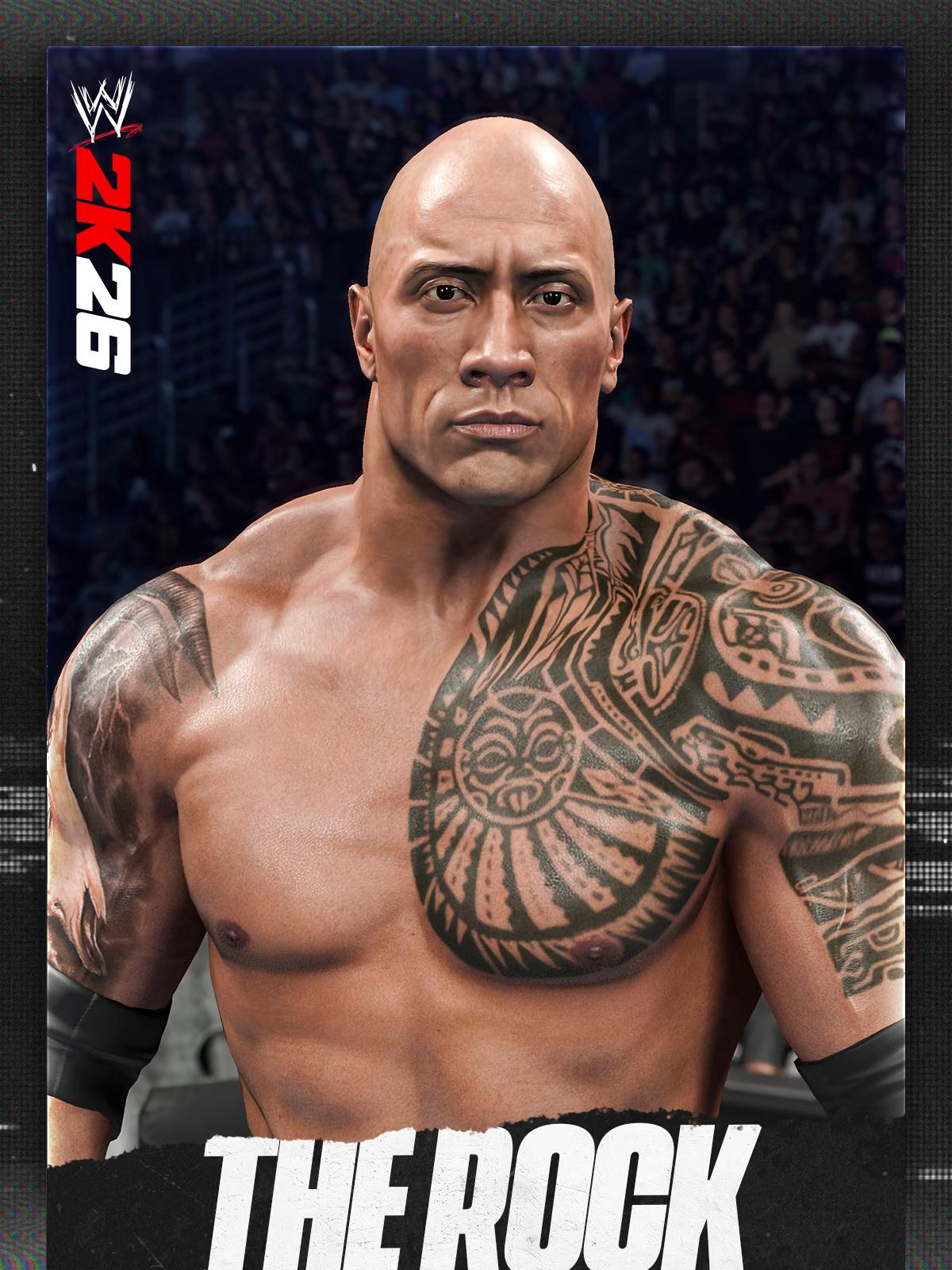
Console NBA 2K (like 2K26) is a full simulation with deep gameplay, full career modes, MyGM sandbox, and comprehensive content. It costs $59.99-$69.99.
NBA 2K Mobile is a simplified adaptation with card collection as the primary progression layer. It's free.
These serve different audiences. Players who want deep basketball simulation should play console 2K. Players who want portable basketball engagement in short sessions should play mobile 2K.
Some players play both. The mobile version scratches the specific itch of "quick basketball fix during downtime" while console handles the deep simulation need.
Compared to Other Mobile Sports Games
Compared to FIFA Mobile (now EA Sports FC Mobile): similar card-collection structure, similar energy limits, similar monetization pressure. FIFA Mobile is generally considered slightly more polished but with even more aggressive monetization.
Compared to Madden Mobile: Madden Mobile has had inconsistent quality across annual releases. NBA 2K Mobile is generally more stable and less aggressive with pay-to-win pressure.
Compared to eBaseball PRO SPIRIT (mobile-adjacent): PRO SPIRIT is a more actual-sport-simulation-focused free-to-play title. NBA 2K Mobile is more card-collection-focused. Different design philosophies.
Compared to MLB Tap Sports Baseball: Tap Sports Baseball uses simpler swipe controls and less card collection depth. NBA 2K Mobile is deeper in both directions.
Within the mobile sports genre, NBA 2K Mobile is one of the more competent entries but not the reference standard. That title probably goes to FIFA Mobile despite its own monetization concerns.
Where NBA 2K Mobile Falls Short
Energy system is aggressive. Extended play sessions get cut off. Working around this requires spending or accepting session limits.
Monetization pressure is real. Building a competitive team without spending is possible but slow. Whales dominate top competitive tiers.
Occasional server issues. Multiplayer matchmaking has periodic instability during peak times.
Older devices struggle. Recent updates require Android 8+ and 3GB RAM minimum. Players with older phones can't run the current version.
Some card balance issues. Certain high-tier cards feel disproportionately powerful, creating specific meta imbalances.
Cross-platform play doesn't extend to console. You can't play mobile against console versions.
Should You Play?
Play NBA 2K Mobile if: you're a basketball fan looking for a portable fix, you enjoy card-collection games, you have short sessions to fill throughout the day, or you can't afford console 2K but want an NBA game.
Don't play if: you specifically want deep basketball simulation (buy console 2K), you have addictive relationships with gacha mechanics, or you find energy-limited play frustrating.
The game is free. There is zero cost to trying it. Whether it fits your gaming patterns is something you can determine after a few days of play.
For the specific audience mobile sports games serve — commuters, casual fans, players who don't own current consoles, basketball fans in international markets where console gaming is less accessible — NBA 2K Mobile is a legitimate entry point to modern NBA gaming. It's not the same experience as console 2K. It's a genuinely different experience designed for a different context. Judged as its own thing rather than as a lesser version of the console game, it works well for the specific audience it targets.